When it comes to maintaining freshness and temperature in beverages, the choice of a vacuum cup is crucial. These versatile containers have gained immense popularity among global buyers for their practicality and effectiveness. A high-quality vacuum cup can keep drinks hot or cold for hours, making it an essential item for both daily commutes and outdoor adventures.
However, not all vacuum cups are created equal. Factors like material, insulation technology, and design can significantly influence performance. Consumers might face confusion due to the overwhelming number of options available in the market. With limited knowledge, buyers might struggle to identify the best products. Some cups may promise exceptional insulation but fail in real-world scenarios.
Finding a reliable vacuum cup requires careful consideration. Researching brands and reading reviews can help. Ultimately, the right choice ensures quality and satisfaction. Investing time in understanding what makes a vacuum cup efficient is worthwhile.
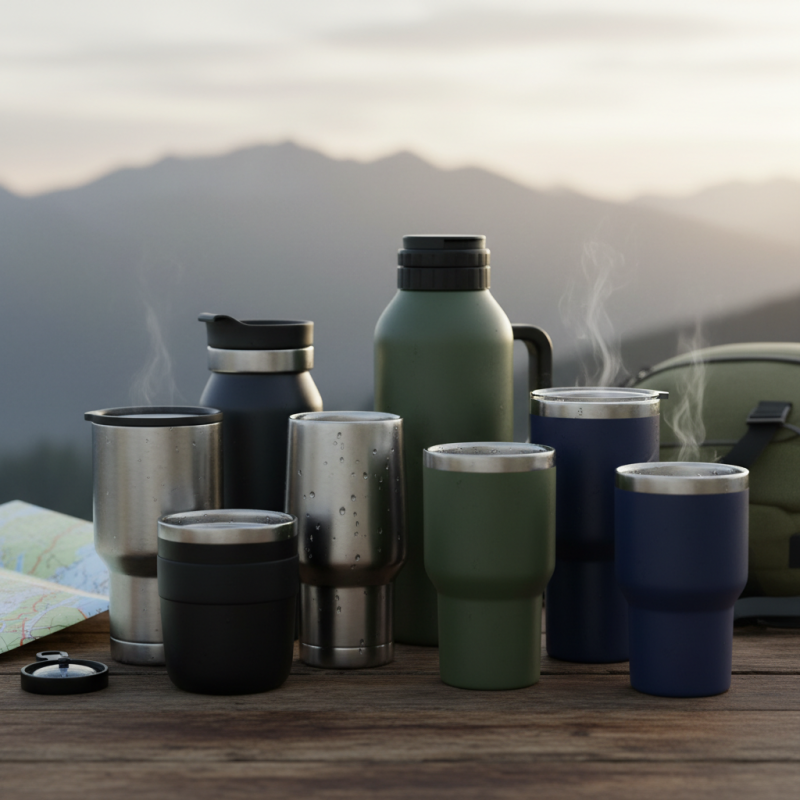
When exploring vacuum cups for global buyers, several factors come into play. Users often search for options that combine reliability and versatility. A good vacuum cup maintains temperature, keeps liquids sealed, and is durable. Material choices range from stainless steel to BPA-free plastics. The right material can enhance the cup's insulation and longevity.
Design matters, too. Some cups feature ergonomic grips, which improve usability. Travel-friendly sizes and lightweight constructions attract customers who are always on the go. Additionally, easy-to-clean designs add to their appeal. However, not all vacuum cups perform equally in different environments. Some may fail to keep drinks hot for long durations or might not seal properly, leading to spills. Buyers should consider their specific needs, environments, and daily routines when selecting a vacuum cup.
Customer reviews can provide insights into real-world performance. It’s essential to read both positive and critical feedback. This helps buyers gauge which features are truly beneficial. Making an informed choice is crucial in a market abundant with options. Ultimately, the perfect vacuum cup should cater to individual needs while providing dependable performance.
| Cup Type | Material | Capacity (ml) | Insulation | Price (USD) |
|---|---|---|---|---|
| Travel Mug | Stainless Steel | 350 | Double Wall | 30 |
| Coffee Cup | Borosilicate Glass | 400 | Single Wall | 25 |
| Water Bottle | Plastic | 500 | None | 15 |
| Thermal Cup | Aluminum | 300 | Vacuum Insulated | 40 |
| Insulated Tumbler | Stainless Steel | 600 | Double Wall | 35 |
When selecting vacuum cups, key features play a crucial role. Material quality stands out. Most vacuum cups are made from plastic, rubber, or silicone. Each material has strengths and weaknesses. For instance, silicone offers excellent flexibility but may wear out faster than rubber. A study found that over 30% of consumers reported dissatisfaction due to material failure within the first year of use. This highlights the importance of choosing durable materials.
The size and shape of vacuum cups are also critical. A comprehensive market report indicates that 45% of users prefer ergonomic designs for ease of handling. These designs reduce fatigue during extended use. The suction power varies widely among models. Selecting options with higher suction ratings guarantees better performance. However, some users have expressed concerns about over-suction, leading to challenges when detaching. Balancing suction with user-friendly design is essential.
Another factor to consider is temperature resistance. Some vacuum cups are designed for extreme conditions. Reports show that cups used in industrial settings must withstand varying temperatures. A notable 20% of failures in these environments are due to inadequate thermal resistance. Thus, understanding the intended application is vital for choosing the right vacuum cup. Each feature has its nuances, requiring careful consideration based on specific needs.
When it comes to choosing vacuum cups, international consumers have various top brands to consider. According to a recent market analysis, the global vacuum cup market is expected to grow at a compound annual growth rate (CAGR) of 5.2% between 2023 and 2028. This growth reflects the rising demand for reliable and efficient vacuum solutions worldwide.
Different brands offer unique features catered to diverse needs. For example, some products focus on thermal insulation, while others prioritize durability. The data indicates that nearly 40% of consumers consider insulation efficiency as the primary decision factor. However, many buyers overlook the importance of user feedback and product reviews. Additionally, only 25% of consumers are aware of the materials used in these vacuum cups, which can significantly affect performance.
It’s worth noting the impact of innovative designs. Research suggests that ergonomic shapes can enhance user experience, making handling easier. Many consumers may underestimate the value of comfort and usability. Ignoring these aspects can lead to dissatisfaction. Understanding these details ultimately aids in making informed choices in the competitive international market while navigating various product specifications.
When selecting vacuum cups, user reviews and ratings play a crucial role. Many buyers prioritize insulation and durability. Some customers rave about exceptional heat retention, while others express disappointment regarding the material quality. Observing these ratings can guide choices effectively.
Consider features like handle design and lid accessibility. Reviews often highlight how easy a vacuum cup is to use. Some users seek models with ergonomic grips for comfort. Negative feedback may stem from cups leaking or being challenging to clean. Reflecting on these aspects can save future headaches.
A few reviews praise models that offer robust warranties. Others note that higher prices do not always guarantee better performance. This inconsistency can be frustrating for buyers. Readers should scour user experiences before making a decision. In this way, consumers can confidently select vacuum cups that meet their needs.
When considering vacuum cups, the choice of materials plays a crucial role in sustainability. Many manufacturers now opt for stainless steel or BPA-free plastics. These options are not only durable but also contribute to reducing waste. Reusable vacuum cups can significantly decrease the reliance on single-use containers. This shift towards sustainable materials reflects a growing awareness among consumers.
Design also impacts the eco-friendliness of vacuum cups. Streamlined designs minimize the amount of material needed for manufacturing. Some brands focus on modular designs that allow for easy repair. This approach encourages consumers to keep their cups longer. Yet, achieving a balance between aesthetics and sustainability can be challenging. Not all designs prioritize the use of eco-friendly materials.
Moreover, the supply chain of vacuum cups must be considered. Sourcing materials locally can reduce the carbon footprint. However, this practice may lead to higher costs. Consumers must weigh the benefits of sustainability against their budgets. The journey towards fully sustainable vacuum cups is ongoing, filled with lessons learned and challenges faced. It is essential to continue reflecting on these aspects to promote a greener future.
: Vacuum cups are typically made from plastic, rubber, or silicone. Each has different durability levels.
Material failure affects over 30% of users within a year. Durable materials prevent early dissatisfaction.
Ergonomic designs are preferred by 45% of users. They help reduce fatigue during extended use.
Higher suction ratings can improve performance. But too much suction can make detaching difficult.
Industrial vacuum cups must withstand extreme temperatures. About 20% fail due to inadequate thermal resistance.
Reviews provide insights on insulation, durability, and ease of use, helping you make informed choices.
Choosing stainless steel or BPA-free plastics enhances durability and reduces waste. Sustainable choices matter.
Modular designs allow easy repair, encouraging users to keep their products longer.
Not always. Some users report better quality at lower prices, which may lead to frustration.
Local materials reduce the carbon footprint but may increase costs. Balancing sustainability and budget is key.
Vacuum cups have become an essential accessory for consumers seeking to enjoy beverages at optimal temperatures while on the go. This article provides an overview of the best vacuum cups available globally, highlighting the various options that cater to diverse consumer needs. Key features to consider when selecting a vacuum cup include insulation performance, material durability, and ease of use.
In addition to assessing product quality, user reviews and ratings play a crucial role in guiding potential buyers towards the most reliable models. Furthermore, an emphasis on sustainable materials and eco-friendly designs in vacuum cup manufacturing reflects a growing consumer demand for environmentally conscious products. By understanding these elements, international consumers can make informed choices when selecting the perfect vacuum cup for their lifestyle.

Yongkang Yifu