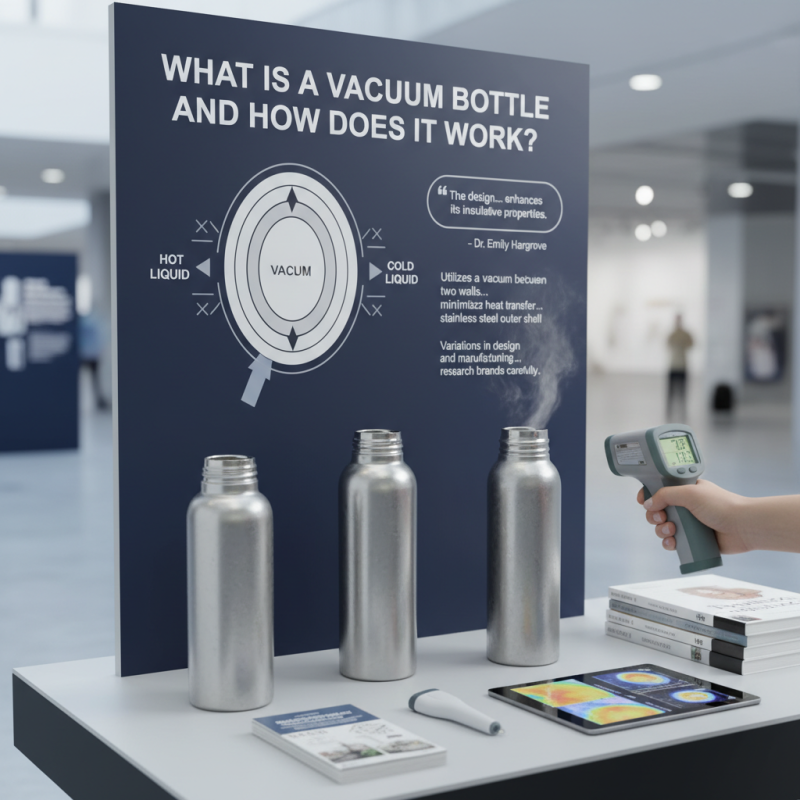
A vacuum bottle, often referred to as a thermos, plays a crucial role in maintaining the temperature of beverages. According to Dr. Emily Hargrove, a leading expert in thermal engineering, "The design of a vacuum bottle significantly enhances its insulative properties." This statement highlights the importance of understanding the technology behind these bottles.
Vacuum bottles utilize a simple yet effective principle: they create a vacuum between two walls. This vacuum minimizes heat transfer, keeping liquids hot or cold for extended periods. The material of the outer shell also contributes to its performance, with stainless steel being a popular choice due to its durability and thermal efficiency.
Despite their effectiveness, not all vacuum bottles are created equal. Variations in design and manufacturing can affect how well they insulate. Some bottles may not retain heat or cold as expected. This inconsistency points to the need for consumers to research brands and models carefully before making a purchase. Understanding the science behind vacuum bottles can lead to more informed decisions.
What Is a Vacuum Bottle?
A vacuum bottle, also known as a thermos, is a simple yet effective tool designed to store liquids and maintain their temperature. It consists of two walls, an inner and an outer one, creating a vacuum between them. This vacuum layer significantly reduces heat transfer through conduction and convection. According to industry reports, a well-constructed vacuum bottle can keep liquids hot or cold for several hours, improving energy efficiency in our daily routines.
Using a vacuum bottle has many advantages. For instance, it helps to reduce waste by keeping your favorite drinks reusable and fresh. In fact, a study by the Environmental Protection Agency highlights that replacing single-use bottles with reusable options can reduce plastic waste by up to 60%. However, users should be mindful of proper cleaning techniques. Regularly overlooked, the seals and inner surfaces require attention to avoid lingering odors and bacteria buildup.
Tip: Always rinse your vacuum bottle with hot water and mild soap after each use. Let it dry completely to prevent moisture from causing mold. Remember, while vacuum bottles are useful, they may not maintain temperature indefinitely. Experiment with different liquids to find what suits your needs best.
The History of Vacuum Bottles
The history of vacuum bottles dates back to the 19th century.
Invented by Sir James Dewar in 1892, the vacuum bottle was designed to keep liquids at stable temperatures.
Dewar's original purpose was scientific, but the invention quickly caught on for everyday use.
Over the years, the design of vacuum bottles has evolved. Early versions were made from glass, which is fragile.
Modern designs often use stainless steel for durability.
The vacuum between the two walls minimizes heat transfer. This innovation allows beverages to stay hot or cold for extended periods.
Tips: Always inspect your vacuum bottle for dents or scratches.
These can compromise its insulating ability. Clean it regularly to prevent buildup from previous contents. A well-maintained bottle lasts longer.
Despite their effectiveness, not all vacuum bottles are created equal. Users may find variations in performance surprising.
Some bottles may not retain heat or cold as expected. It’s essential to do research and choose wisely based on personal needs.
How a Vacuum Bottle Works: The Science Behind It
A vacuum bottle, commonly known for its insulating properties, operates on a fascinating principle of thermodynamics. This device utilizes two walls, encasing a vacuum between them. The vacuum acts as an effective barrier, minimizing heat transfer by conduction and convection. According to a study by the International Journal of Thermodynamics, the efficiency of such bottles can reach up to 95% under optimal conditions.
The science behind a vacuum bottle reveals that it significantly reduces energy loss. Heat cannot easily travel through the vacuum space, making it an excellent insulator. However, the performance diminishes over time; wear and tear can impair the vacuum seal. A report from the American Society of Heating, Refrigerating and Air-Conditioning Engineers indicates that maintaining a vacuum seal is crucial for long-lasting thermal retention.
Flaws in the design of a vacuum bottle can also affect its efficiency. If the outer casing is dented or the inner wall is scratched, heat loss increases. Observations have shown that even small imperfections can lead to noticeable temperature fluctuations. Therefore, while vacuum bottles are effective, users should be aware of the potential challenges in their maintenance and functionality.
Temperature Retention Comparison of Vacuum Bottles
This chart illustrates the temperature retention of vacuum bottles over various time intervals. The data indicates how effective vacuum insulation is in maintaining the initial temperature of the liquids stored within the bottles.
Materials Used in Vacuum Bottles
Vacuum bottles are designed to keep beverages hot or cold. They achieve this through insulation techniques. The materials used play a crucial role in their effectiveness. Typically, vacuum bottles are made from stainless steel, glass, or plastic. Each material comes with its unique advantages and limitations.
Stainless steel is favored for its durability and resistance to rust. It can withstand drops and impacts, making it ideal for outdoor activities. However, not all stainless steel is created equal. Some may contain harmful chemicals that can leach into drinks. Choosing a high-quality, food-grade option is essential for safety.
Glass, on the other hand, offers excellent insulation properties. It does not retain or impart flavors, ensuring a pure tasting experience. But glass bottles are more fragile, which can be a drawback for some users.
Lastly, plastic is lightweight and resistant to shattering. Yet, lower-quality plastics can impact the taste and may degrade over time. Users often grapple with these trade-offs when selecting the right vacuum bottle.
Common Uses and Benefits of Vacuum Bottles
Vacuum bottles, also known as thermoses, are widely used for their ability to maintain temperature. They are commonly made with an insulated double-wall design, which minimizes heat transfer. This feature is essential for keeping beverages hot or cold for extended periods. Whether you’re camping, at work, or traveling, a vacuum bottle can be your best companion.
The benefits of vacuum bottles go beyond just temperature retention. They are reusable, reducing waste from disposable containers. Many people appreciate that they are portable and lightweight, making them easy to carry. However, some users find it difficult to clean certain models due to narrow openings. This can lead to bacteria growth if not properly maintained.
Additionally, vacuum bottles often come in various sizes, catering to different needs. Some prefer smaller sizes for a quick trip, while others need larger ones for longer outings. The variety can make selecting the right one overwhelming. Users should consider personal habits and usage scenarios carefully. Despite some challenges, the convenience of vacuum bottles continues to attract a loyal following.
FAQS
: Vacuum bottles are usually made from stainless steel, glass, or plastic. Each has unique pros and cons.
Stainless steel is durable and rust-resistant. It withstands drops well, ideal for outdoor use.
Yes, some stainless steel may contain harmful chemicals. Choosing a high-quality, food-grade option is crucial.
Glass offers excellent insulation. It doesn’t retain or impart flavors, ensuring a pure taste. However, it's fragile.
Plastic is lightweight and shatter-resistant. But, low-quality plastics can affect taste and degrade over time.
They maintain temperatures for hot or cold drinks. They are reusable, reducing waste, and easy to carry.
Narrow openings can make cleaning difficult. This may lead to bacteria growth if not properly maintained.
Consider your personal habits and usage scenarios. Smaller bottles are for quick trips, larger ones for longer outings.
Yes, they are typically portable and lightweight. However, they can be cumbersome if too large.
Yes, they can be hard to clean or carry. Choosing the right model requires careful thought about your needs.
Conclusion
A vacuum bottle, also known as a thermos, is a specially designed container that keeps liquids hot or cold for extended periods. The concept of the vacuum bottle dates back to the late 19th century, developed through various innovations that enhanced its insulation properties. Its construction typically involves two layers of glass or stainless steel, with a vacuum between them, which minimizes heat transfer by conduction and convection.
Understanding how a vacuum bottle works involves delving into the science of thermal insulation. The vacuum layer significantly reduces heat loss or gain, allowing users to enjoy their beverages at the desired temperature. Vacuum bottles are commonly used for a wide range of purposes, from keeping coffee hot during commutes to storing cold water on hot days. Their durability and effectiveness make them a popular choice for outdoor activities, gym goers, and daily hydration needs, offering both convenience and environmental benefits by reducing the need for single-use containers.

 Yongkang Yifu