Top Vacuum Flask Buying Guide for Global Buyers Explained

Time:2026-06-07 Author:Oliver
0%

Selecting the right vacuum flask can be overwhelming. The market is flooded with options that claim superior features. But what makes a good vacuum flask? Understanding key aspects is essential for making an informed choice.

A vacuum flask is designed to keep beverages hot or cold for extended periods. Insulation technology plays a crucial role in this performance. Look for materials that ensure durability and efficiency. Stainless steel is often a preferred choice due to its resistance to rust and wear.

Many brands offer a range of styles and prices. This variety can lead to confusion. Some flasks may not live up to their promises, creating disappointment. It’s important to read reviews and consider real-life experiences. Choosing a reliable vacuum flask may significantly enhance your daily hydration experience.
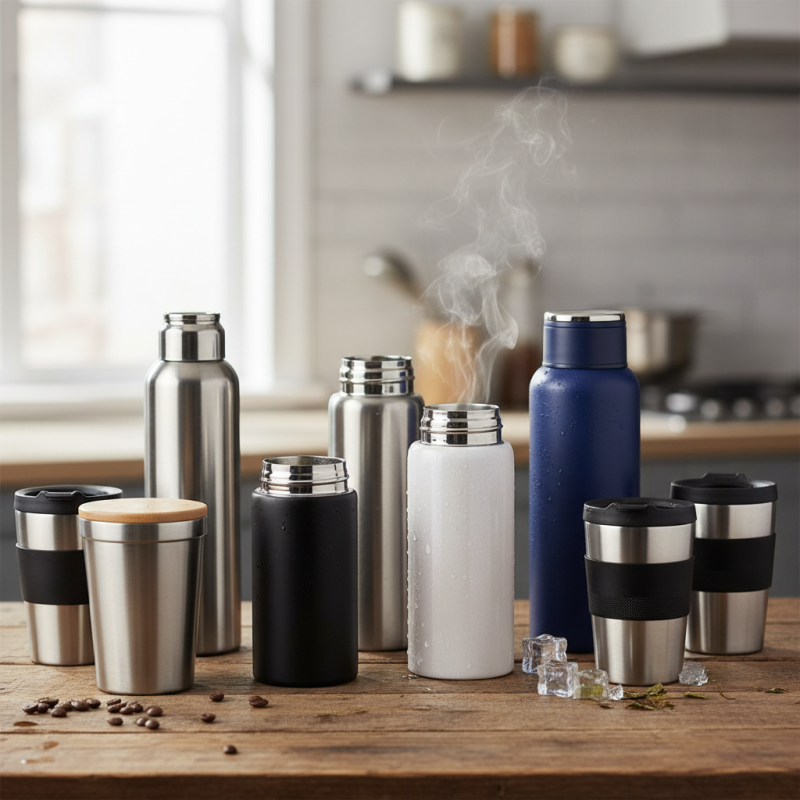
Top Vacuum Flask Buying Guide for Global Buyers Explained

Understanding the Basics of Vacuum Flasks and Their Functions

Vacuum flasks, or thermoses, are essential items for anyone who enjoys hot or cold beverages. They are designed to maintain the temperature of liquids for an extended period. A vacuum flask achieves this through a double-walled construction, creating an insulating layer of vacuum between the walls. This helps reduce heat transfer, keeping your drinks hot or cold longer.

Understanding how vacuum flasks work is crucial for selecting the right one. Factors like material and design influence performance. Stainless steel flasks are popular for durability and heat retention. Glass-lined flasks often provide better insulation but can be fragile. Consumers should consider their lifestyle. A lightweight flask may be ideal for hiking, while a robust one is better for daily commuting.

Many users overlook the importance of proper maintenance. Regular cleaning and avoiding steep temperatures can prevent damage. It's also essential to ensure the lid seals tightly. A faulty lid can compromise insulation. Pay attention to how you use your flask. Not every design suits every activity. Reflecting on these aspects can lead to a more satisfying experience with your vacuum flask.

Key Features to Consider When Buying a Vacuum Flask

When choosing a vacuum flask, several key features can greatly affect its performance and usability. Insulation material is critical. Most high-quality vacuum flasks use stainless steel. This material provides durability and effective thermal retention. According to industry reports, a well-insulated flask can keep liquids hot or cold for over 24 hours. Consider the thickness of the flask walls; thicker walls often enhance heat retention.

Another vital feature is the lid design. A secure, leak-proof lid prevents unwanted spills. In a survey, around 70% of users reported that spills were a significant inconvenience. Functional lids that enable one-handed operation or have built-in straws are also increasingly popular. These designs enhance convenience for users who are often on the go.

Capacity is another factor. The average consumer might select a flask between 20 and 30 ounces for daily use. However, some may underestimate their needs for outings. It's essential to think about your typical usage. A larger flask might be necessary for long trips. Flexibility in size can ensure you have enough hydration. Reflecting on these features can help guide your choice for the perfect vacuum flask.

Vacuum Flask Features Comparison

Comparing Materials: Stainless Steel vs. Glass vs. Plastic Flasks

When choosing a vacuum flask, the material plays a crucial role in performance. Stainless steel, glass, and plastic are the primary options, each with distinct characteristics. According to industry analyses, stainless steel flasks dominate the market due to their durability and insulating properties. They can keep drinks hot or cold for hours, making them ideal for outdoor activities. Reports indicate that nearly 70% of consumers prefer stainless steel for its robustness.

Glass flasks are often lauded for their ability to preserve flavor and maintain temperature. Unlike metal, glass does not retain odors or tastes. However, their fragile nature raises concerns. In fact, industry data shows that over 30% of glass users report breakage issues, leading to a less satisfactory experience. While glass is recyclable, it also comes with a heavier weight, making transportation less convenient.

Plastic flasks present a mixed bag of advantages and challenges. They are lightweight and resistant to impact. A study showed that about 40% of buyers appreciate their portability. However, concerns about chemicals leaching into beverages exist. Moreover, plastic flasks may not provide the same level of insulation, often leading to temperature loss more quickly than their glass or stainless steel counterparts.

These factors prompt potential buyers to weigh their priorities carefully. Each material has its pros and cons, catering to various needs and environments. Choosing the right flask requires a thoughtful assessment of personal lifestyle and preferences.

Evaluating Size and Capacity for Your Specific Needs

When selecting a vacuum flask, size and capacity are key elements to consider. Different activities require different features. For a day hike, a smaller flask might suffice. It can easily fit in a backpack. If you plan for longer outings, a larger capacity is likely necessary. Think about how much liquid you consume in a day.

Evaluate how often you'll refill your flask. If you drink frequently, opt for a larger size. However, keep in mind that larger flasks can be cumbersome to carry. A 500ml flask may be perfect for everyday use, while a 1-liter option works well for longer excursions.

Consider the material and insulation type as well. Stainless steel is a popular choice for its durability. An insulated flask can keep drinks hot or cold for hours. But remember, heavier materials can hinder portability. Reflect on your comfort and needs. A flask's design should complement your lifestyle. Finding the right balance is essential for long-term satisfaction.

Top Vacuum Flask Buying Guide for Global Buyers Explained

Flask Size (liters) Capacity (cups) Best Use Scenario Material Type Insulation Type Average Price (USD)
0.5 2 Personal Use Stainless Steel Double-wall Vacuum 15
1.0 4 Travel Glass Vacuum Insulated 20
1.5 6 Camping Plastic Thermal Insulation 25
2.0 8 Family Use Stainless Steel Double-wall Vacuum 30
3.0 12 Outdoor Activities Aluminum Vacuum Insulated 40

Popular Brands and Models Recommended for Global Buyers

When considering vacuum flasks, it’s essential to think about functionality and brand reliability. Many users suggest exploring options that offer double-wall insulation. Such designs are efficient at maintaining temperature, keeping liquids hot or cold for extended periods. Look for flasks with stainless steel bodies for durability and resistance to rust. Many global buyers emphasize the importance of portability and ease of cleaning as well.

There are numerous popular models that stand out in the market. Some flasks feature built-in cups, making them convenient for travelers. Users appreciate those with wide mouths, making refills easy. Additionally, consider flasks with non-slip bases for better grip. Design can play a significant role too; sleek models are often favored.

However, remember that not all brands guarantee high performance. Reviews often highlight variations in quality, which is worth reflecting on before making a decision.

FAQS

: What is the purpose of a vacuum flask?

: A vacuum flask maintains liquid temperatures for long periods. It keeps drinks hot or cold through insulation.

How do vacuum flasks work?

They consist of a double-walled design. A vacuum layer minimizes heat transfer, improving temperature retention.

What materials are commonly used in vacuum flasks?

Stainless steel is popular due to its durability. Glass-lined flasks offer better insulation but may break easily.

What should I consider when buying a flask?

Think about the insulation material, lid design, and capacity. Each feature significantly impacts performance and convenience.

How important is flask maintenance?

Regular cleaning is vital. Ensure the lid seals tightly to maintain insulation. Neglect can lead to reduced performance.

What can affect the performance of a flask?

The thickness of the walls plays a role. Thicker walls usually enhance heat retention and overall efficiency.

What is a common capacity range for daily use flasks?

Most consumers choose flasks between 20 and 30 ounces. Consider your hydration needs before selecting a size.

Why should I reflect on my flask usage?

Understanding your needs enhances your experience. Choosing the right flask design can make activities more enjoyable.

What features make a lid convenient?

A leak-proof lid prevents spills. Designs allowing one-handed operation are especially helpful for active users.

Can I underestimate my flask needs?

Yes, it's easy to misjudge. Larger flasks may be necessary for longer outings or when sharing drinks with others.

Conclusion

The "Top Vacuum Flask Buying Guide for Global Buyers Explained" offers essential insights into choosing the right vacuum flask. It begins with an understanding of vacuum flasks, explaining their functions in maintaining temperature for both hot and cold beverages. Key features to consider include insulation efficiency, ease of cleaning, and portability.

The guide also compares materials used in vacuum flasks, such as stainless steel, glass, and plastic, highlighting their durability and insulation properties. Additionally, it emphasizes the importance of evaluating size and capacity based on individual needs, ensuring buyers select the perfect flask for their lifestyle. Ultimately, the guide serves as a comprehensive resource for global consumers looking to make informed decisions when purchasing a vacuum flask.


Oliver

Oliver

Oliver is a seasoned marketing professional with a wealth of expertise in driving brand awareness and engagement. With a deep understanding of our company's product offerings, he consistently delivers high-quality content that enriches our professional blog. His insights not only shed light on......